Furniture supplier
Integrating Customer Label Data Gives Furniture Supplier a Competitive Advantage
A low-tech customer requirement created a challenge for this mid-sized manufacturing team.

The problem
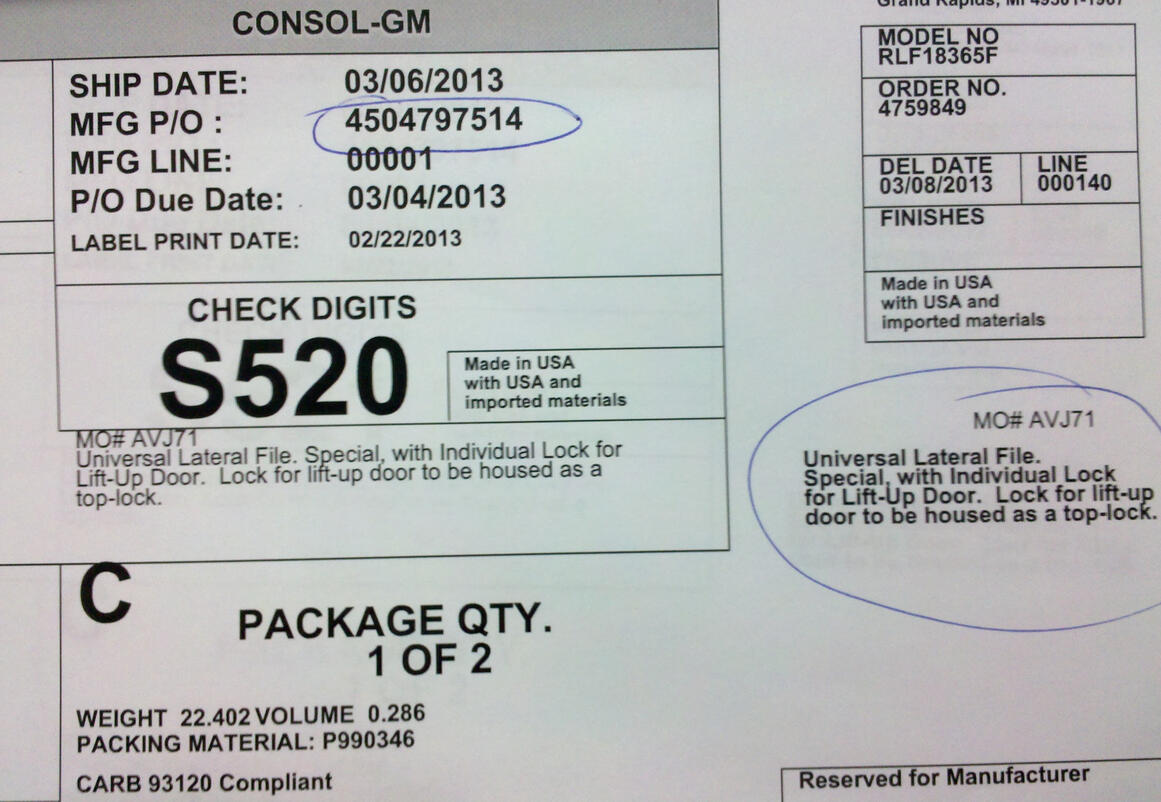
A Tier 1 customer had a low-tech requirement: every order required a customer-generated, pre-printed label to be physically attached to each product. These labels were only available as PDFs from the customer’s website and contained order data that wasn’t accessible in any other format.
As a result, the manufacturing process relied on printing hundreds of labels and manually matching them to products. The process was error-prone. Lost, missing, damaged, and duplicate labels were common. Each day the team spent 4–6 hours printing, sorting, and applying labels.
Low-tech MVP to high-tech integration
With no leverage to influence the customer’s process, we had to work within the constraints: PDFs manually downloaded from a portal. After several experiments, we landed on an unconventional approach: an RPA tool to automate label downloads, paired with a PDF-scraping method to extract label data and generate an XML/PDF set.
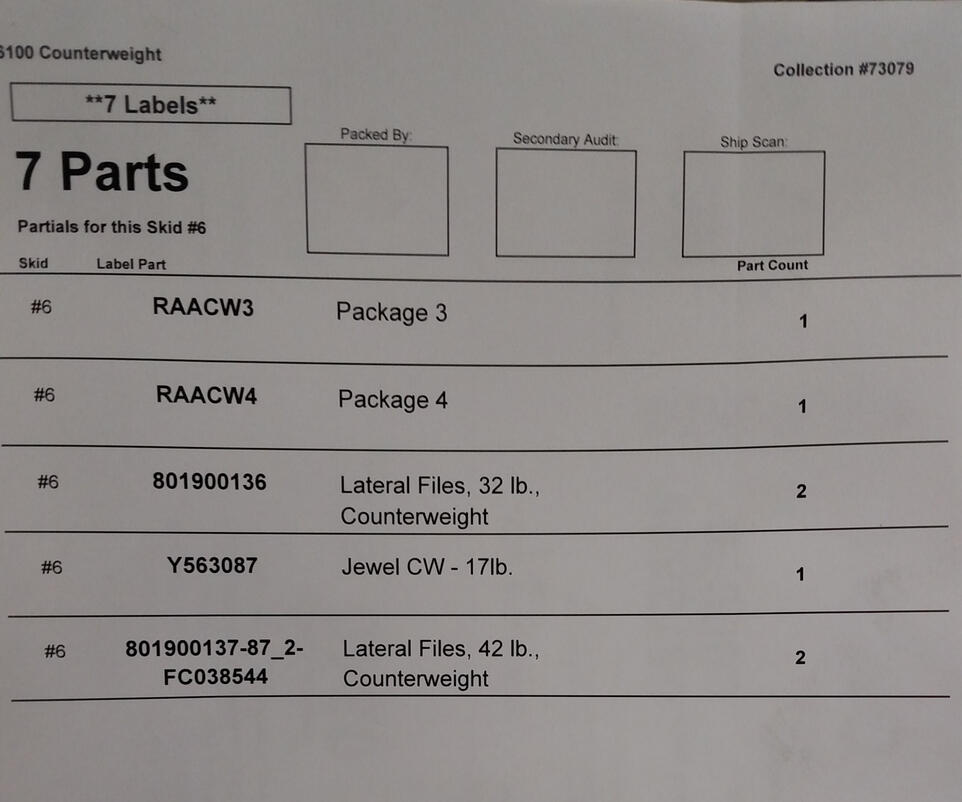
What began as an experiment evolved into a fully integrated ERP and MES solution. This immediately reduced manual effort and, more importantly, unlocked additional opportunities: on-demand label printing (enabling one-piece flow), poka-yoke for equipment, production sequencing, and shipping-related quality controls.
Competitive advantage
As label-processing capabilities matured, the customer took notice. The improved process outperformed comparable suppliers, resulting in increased business volume and additional opportunities.